

100% Human: Why High-Dexterity Careers in Selma and Hanford Defy the 2026 AI Job Displacement
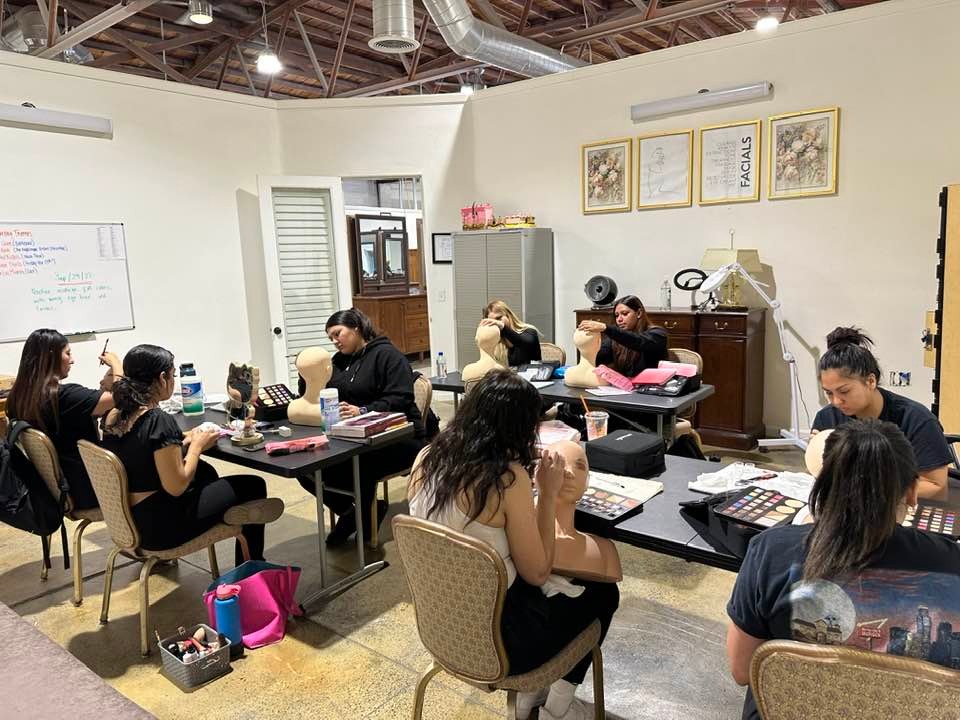
Cosmetology Students Practicing Makeup Application
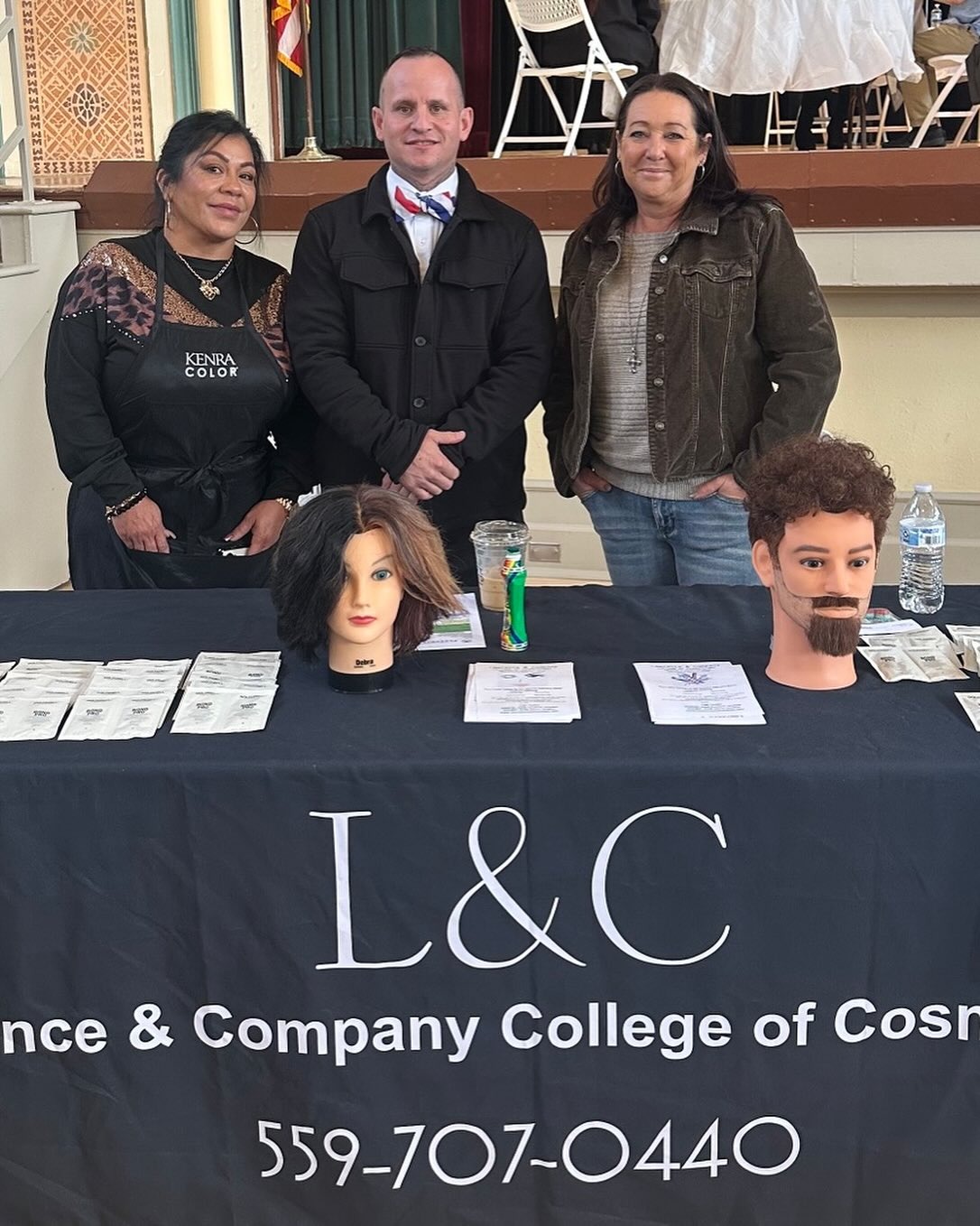
Lawrence & Company College of Cosmetology Career Fair Booth
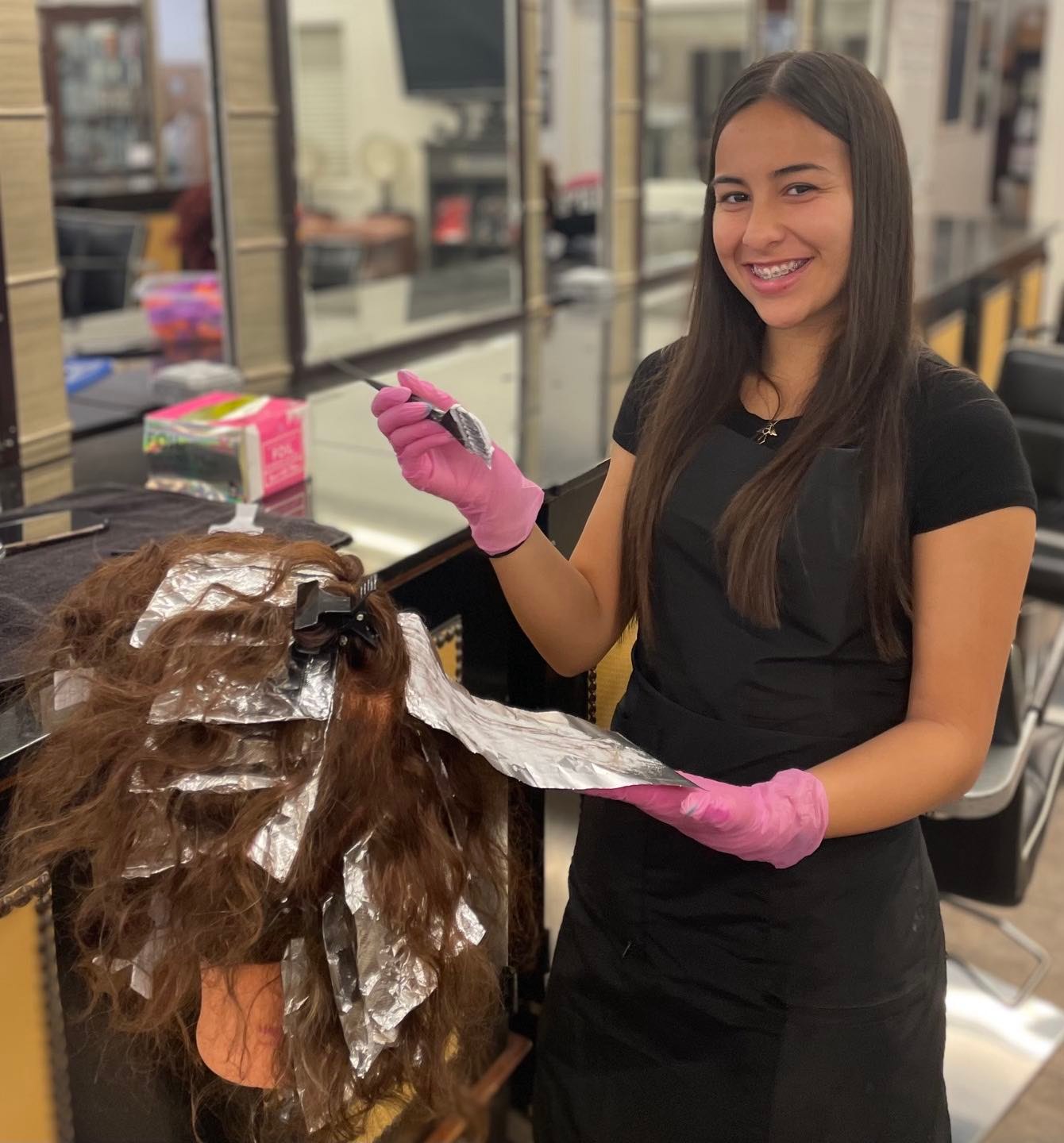
Cosmetology Student Practicing Hair Foil Techniques
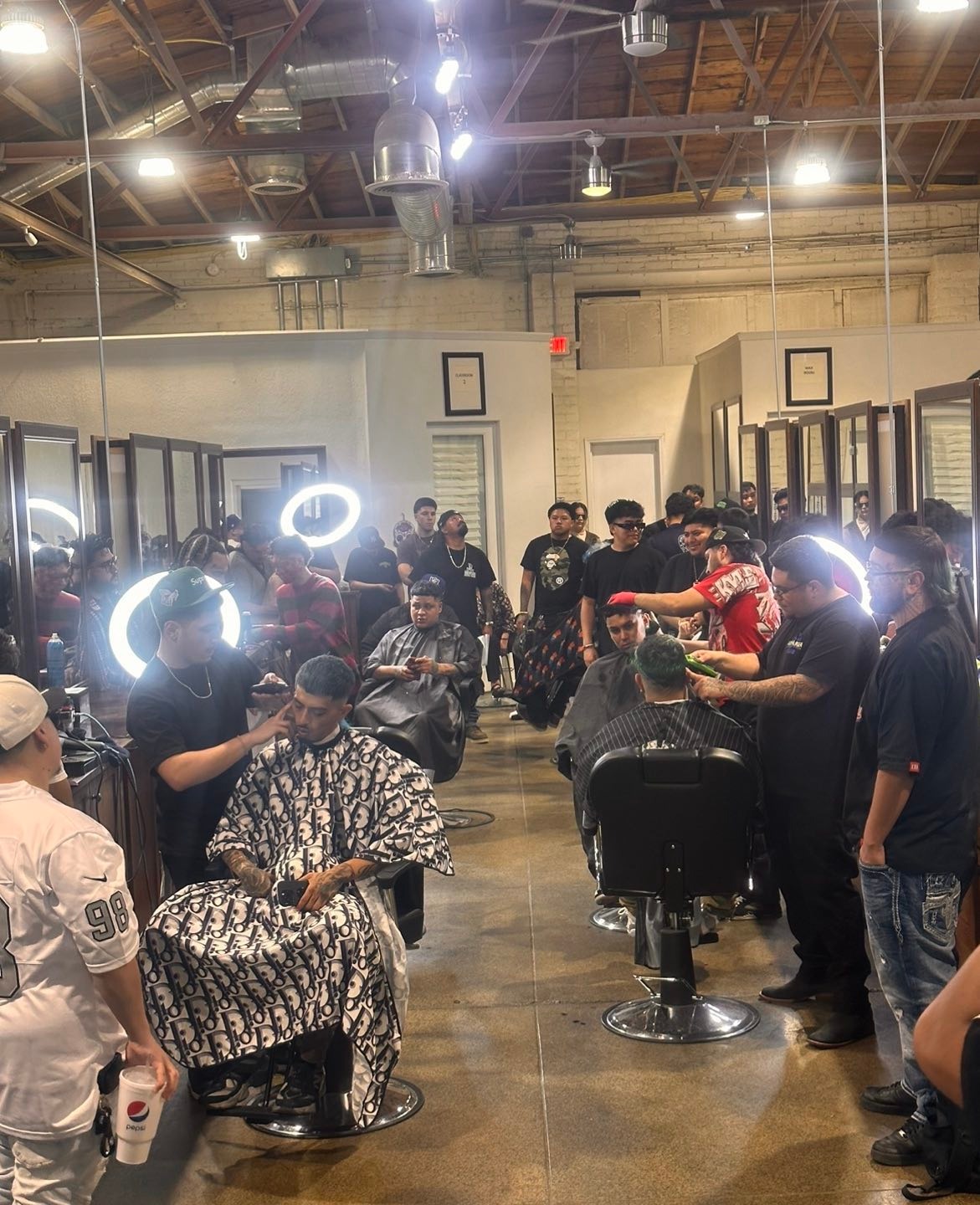
Barbering Students in Action at Lawrence & Company
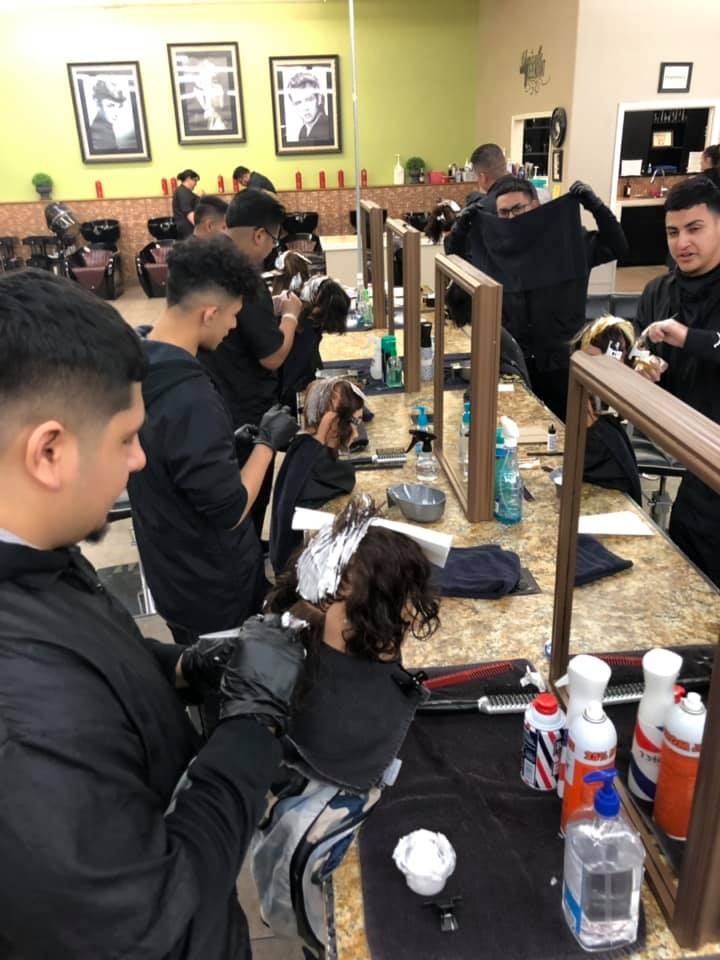
Cosmetology Students Learning Hair Foil Highlights
As AI disrupts 30% of California’s workforce, Selma and Hanford emerge as job sanctuaries for high-dexterity, un-automatable "High-Touch" personal care careers.
SELMA, CA, UNITED STATES, March 19, 2026 /EINPresswire.com/ -- As generative artificial intelligence (AI) begins to disrupt an estimated 30% of administrative and cognitive roles across California, a new economic "Job Sanctuary" is emerging in the heart of the Central Valley. While Silicon Valley algorithms successfully automate complex coding and data entry, they are hitting a hard ceiling at the "Tactile Economy"—the high-dexterity, human-centric world of aesthetics and wellness.
New labor market analysis suggests that for workers in Selma and Hanford, the most secure long-term career path may not be behind a screen, but at the salon chair. Lawrence & Company College of Cosmetology is today highlighting this growing "Automation Shield," identifying personal care services as one of the few regional sectors effectively immune to AI displacement.
The Rise of the Tactile Economy
The current anxiety surrounding AI is backed by sobering data. According to reports from Goldman Sachs Global Investment Research, AI could eventually replace the equivalent of 300 million full-time jobs globally, with administrative and legal sectors at the highest risk. Furthermore, research from Oxford University’s Martin School on the "Future of Employment" has long categorized occupations requiring "finger dexterity" and "social perceptiveness" as having the lowest probability of computerization.
In the Central Valley, where the workforce has traditionally balanced agricultural roots with a growing service sector, this digital disruption is creating a flight to "High-Touch" roles. "There is a growing realization that 'High-Touch' is the ultimate defense against 'High-Tech' displacement," says a spokesperson for Lawrence & Company College of Cosmetology. "In our classrooms in Selma and Hanford, we are preparing a workforce for a future where physical craftsmanship and human empathy are the most valuable—and un-automatable—commodities on the market. You cannot download a haircut, and an algorithm cannot replicate the intuitive touch of a licensed esthetician."
Why "High-Touch" is AI-Proof
The "Automation Shield" protecting the cosmetology industry rests on three specific human capabilities that AI currently cannot mimic:
Tactile Intelligence & High-Dexterity: While AI can process visual data, it lacks the physical feedback loops required to navigate the unique contours of a human face or the varied textures of hair. The "Tactile Economy" requires a level of sensory-motor coordination that remains decades away from robotic replication. Complex Problem Solving in Real-Time: Every client presents a unique biological variable. A stylist must account for hair porosity, previous chemical history, and skin sensitivity—variables that require creative, non-linear thinking that defies standard "if-then" algorithmic logic.
The Empathy Premium: Personal care is fundamentally a social contract. The Brookings Institution notes that "human-centric" roles—those requiring emotional intelligence and interpersonal connection—are seeing a surge in valuation as digital interactions become increasingly sterile and automated.
Local Impact: Selma and Hanford as Labor Sanctuaries
For the communities of Selma and Hanford, this trend offers a strategic pivot for the local economy. As traditional entry-level administrative roles in larger hubs like Fresno or Visalia face automation, the demand for localized, high-skill services is increasing.
Lawrence & Company has observed a demographic shift in their enrollment, with a new wave of "career pivoters" entering their programs. These are individuals who previously worked in data-heavy or clerical fields and are now seeking the stability of a license-based, physical trade.
"We are seeing a new class of students who are intentionally choosing a career that an AI cannot do," continues the Lawrence & Company spokesperson. "They are looking for a 'moat' around their livelihood. By mastering the art and science of cosmetology, they are securing a place in an economy that values the human hand over the digital processor."
Preparing for a Post-AI Workforce
To meet this demand, Lawrence & Company College of Cosmetology is doubling down on its "Skills-First" curriculum. The college provides intensive, hands-on training in both Selma and Hanford, focusing on the intersection of technical proficiency and business entrepreneurship. By providing students with a path to state licensure in less than a year, the college is effectively shortening the distance between "education" and "economic security."
As the Central Valley continues to navigate the complexities of a 21st-century economy, the "Automation Shield" provided by the personal care industry stands as a beacon of resilience. While the digital world continues to shift, the need for human touch, localized skill, and professional craftsmanship remains an immovable pillar of the local community.
About Lawrence & Company College of Cosmetology
With campuses in Selma and Hanford, CA, Lawrence & Company College of Cosmetology is a premier provider of vocational training in the beauty and wellness industry. Dedicated to the "Skills-First" philosophy, the college offers comprehensive programs in cosmetology, esthetics, and manicuring, designed to empower the Central Valley workforce with high-demand, AI-resistant technical skills. Licensed by the California Board of Barbering and Cosmetology, Lawrence & Company has spent years bridging the gap between artistic passion and professional stability.
Luis Chavez
Chavez Web Design, LLC
email us here
Legal Disclaimer:
EIN Presswire provides this news content "as is" without warranty of any kind. We do not accept any responsibility or liability for the accuracy, content, images, videos, licenses, completeness, legality, or reliability of the information contained in this article. If you have any complaints or copyright issues related to this article, kindly contact the author above.
